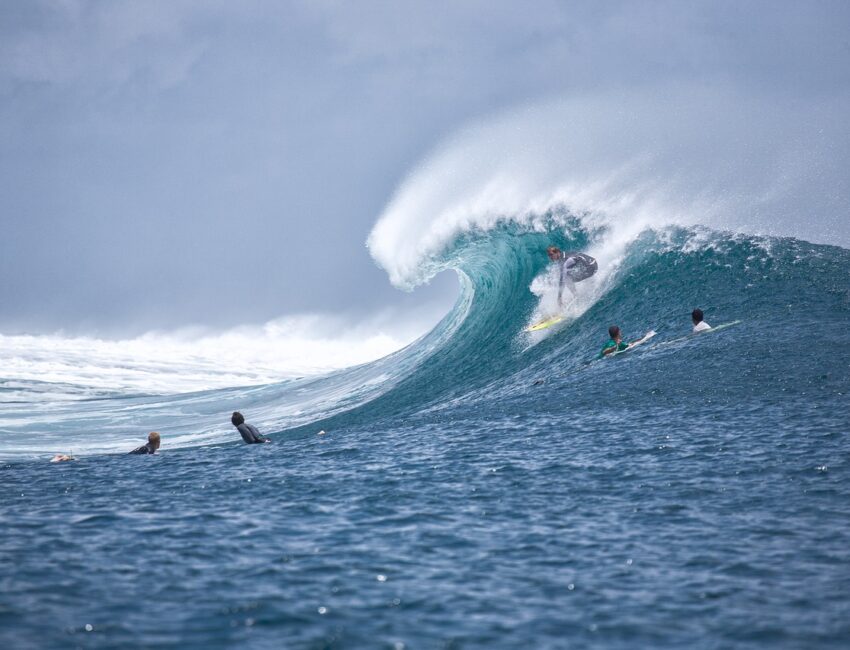
The East Coast boasts 2,370 miles of surfable coastline. Many people overlook these waters in favor of the West Coast waves. The reality might surprise you! Atlantic shores pack amazing surf spots that work great for both newbies and seasoned surfers.
US surfing saw a 17 percent jump in participants from 2019 to 2021. More people now find that east coast waves come with their own perks. Fall months from September to November bring the best surf conditions thanks to hurricane swells. Cocoa Beach stands out with its smooth, consistent waves that new surfers love. The Outer Banks gives you everything – from easy beach breaks to powerful tube rides.
You might wonder: “Can you surf on the East Coast and actually enjoy it?” The answer is yes! We love riding these Atlantic waves and want to show you why they deserve more recognition. Your surfing experience can start right here.
Why East Coast Surfing Deserves More Credit
The Atlantic Ocean holds a secret that West Coast surf snobs tend to miss: the East Coast has a rich and rewarding surf scene along its 2,370-mile coastline. From New England’s cold waters to Florida’s sunny beaches, east coast surfing brings challenges and rewards that deserve more recognition from the global surf community.
Common myths about East Coast surf
Many surfers brush off East Coast waves because of long-standing myths. Let’s set the record straight:
The idea that East Coast waves are tiny and weak is plain wrong. The Atlantic coastline pumps out powerful, hollow waves that can give you more barrel time in one session than you’d see all year at some West Coast spots.
Some people think good waves only show up during hurricanes. While hurricane swells create amazing conditions, the East Coast gets quality waves from nor’easters and other weather patterns too. The shorter wave periods (6-10 seconds compared to West Coast’s 10-17 seconds) create more rideable sections with less downtime between sets.
The myth about “dirty” water still floats around among those who haven’t surfed here. During swells, the brownish water comes from natural seafloor sediment, not pollution. Between swells, many East Coast beaches sparkle with crystal-clear water.
How it compares to West Coast surfing
East Coast surfing is different from the West Coast in key ways. Our broader, gentler continental shelf creates unique wave patterns. The Atlantic’s shorter-period swells can actually work to your advantage.
You might wait 10-30 minutes between sets at packed California beaches. East Coast surfers catch way more waves per session—CJ Hobgood says two to three times as many. More waves mean more practice, more fun, and faster progress.
The East Coast shines with variety. North Carolina’s Outer Banks catch both nor’easter systems from the north and tropical swells from the south. Rhode Island’s sweet spot location picks up swell from multiple directions. New York City surprises many with its excellent urban surf spots.
The crowds? That’s another bright spot. While popular breaks get busy, you’ll find more space to breathe on the East Coast. Finding uncrowded waves here is easier than at California’s packed lineups.
Why beginners should care
Starting your surf journey on the East Coast comes with clear advantages.
More frequent waves give you plenty of chances to practice. Learning needs repetition, and catching more waves helps you improve faster.
The East Coast has lots of spots perfect for beginners with mellower waves. Cocoa Beach (Florida), Virginia Beach (Virginia), and Folly Beach (South Carolina) provide great conditions for learning.
The Atlantic stays warmer than the Pacific. The tropical warmth extends all the way to North Carolina, making it easier to learn without thick wetsuits.
The east coast surf community keeps growing and welcomes new faces. Between 2019 and 2021, the number of U.S. surfers grew by 17%, with many newcomers starting at urban beaches with manageable waves.
Next time someone puts down east coast surfing, remember that great surf isn’t just in California and Hawaii. The Atlantic coast stands proud as a unique alternative that deserves its own respect.
Top Beginner-Friendly Surf Spots on the East Coast
Ready to ride your first wave? The Atlantic coastline features several perfect spots to start surfing. Here are five outstanding locations where you can build your confidence and skills.
Cocoa Beach, Florida
The “Surf Capital of the East Coast,” Cocoa Beach serves as the ultimate beginner playground. This iconic shoreline gave us surfing legend Kelly Slater and welcomes newcomers with gentle, consistent waves that help master the basics.
Cocoa Beach’s forgiving sandy bottom and smaller waves make it less daunting for first-timers. Ron Jon Surf School offers beginner lessons throughout the year. Their qualified instructors hold CPR/BLS certification and bring years of ocean experience. You’ll find everything from private lessons to week-long seasonal surf camps for kids, with safety as the top priority.
Rockaway Beach, New York
New York City surprises many with an excellent beginner surf spot just a train ride from Manhattan. This closest surfable beach to NYC draws city dwellers eager to trade concrete for coastline.
Rock jetty groins installed after Hurricane Sandy in 2012 created A-frame breaks on the beach. These jetties strengthened the coastline and shaped better waves, especially left-breaks that peel off the jetties. Beach 90th Street near Rockaway Skate Park draws surfers of all levels, from “newbies to rippers.”
Locals Surf School at Beach 69th comes highly recommended by the community. The rip current next to the jetties helps you reach the lineup easier—but stay alert as these currents grow stronger with bigger waves.
Virginia Beach, Virginia
East Coast surfing’s birthplace, Virginia Beach boasts a rich surf culture spanning over a century. James M. Jordan, Jr., the original “Atlantic grommet,” became the godfather of East Coast surf culture after receiving Hawaii’s gift—a 12-foot redwood surfboard that sparked local interest.
This historic location hosts the East Coast Surfing Championships and features multiple beginner-friendly zones. Jetties, piers, and inlets break up the beach, creating diverse conditions for all skill levels. VB Surf Sessions, Seth Broudy School of Surf, and Wave Riding Vehicles provide lessons with expert, CPR-certified instructors.
Folly Beach, South Carolina
Charleston’s nearby Folly Beach offers gentle waves in a relaxed atmosphere, just 20 minutes away. The beach break delivers softer waves compared to the nearby “Washout” spot, making it perfect for learning.
Folly Beach maintains reliable surf conditions year-round. Tides don’t affect wave quality, and beach breaks offer both lefts and rights—ideal for practice in either direction. Beginners should look for northwest winds, and the best surf comes from east northeast groundswells.
Narragansett, Rhode Island
New England’s beginners find their perfect introduction to surfing at Narragansett Town Beach. The historic Narragansett Towers provide a stunning backdrop for new surfers learning fundamentals.
Warm Winds Surf School’s 20-year legacy welcomes surfers of all ages and abilities. Their skilled instructors focus on progressive lessons that build daily skills. Narragansett’s beach breaks suit beginners with manageable waves and few hazards, especially during summer.
Your skills will grow with Narragansett Beach. This bay’s go-to spot features neat wedges and A-frame waves breaking right and left. Smaller days remain perfect for learners while still entertaining longboarders.
When to Surf: Best Seasons for East Coast Waves
The right timing makes all the difference when catching the best waves on the Atlantic seaboard. East Coast surf conditions change with the seasons and provide unique experiences for surfers at every level.
Summer: Good for beginners in the South
Summer waves are smaller and more manageable – exactly what newcomers need to learn. Experienced surfers might call this “Lake Atlantic” season because waves are less consistent. The South Atlantic becomes a perfect training ground for beginners. Mid-Atlantic and Southeast Florida waters hit the low 80s°F, so surfers can comfortably ride in boardshorts or light spring suits. New surfers benefit from calmer waves and smaller crowds since many locals take breaks during these quiet months.
Fall: Peak season with hurricane swells
Most East Coast surfers will tell you fall is the best time to hit the water. The coastline comes alive from September through November as hurricane swells create the year’s most epic conditions. Atlantic Ocean’s hurricane systems generate powerful waves that sweep up the entire East Coast. These swells meet offshore winds to create clean, well-formed waves from Florida all the way to Maine. Water stays warm enough that you only need a 3/2mm wetsuit up north. Summer crowds thin out too, giving surfers more room to catch waves.
Winter: Cold but powerful waves
Winter quickly shows who’s serious about surfing. Nor’easters take over as the main wave makers and create consistent, powerful swells along the northern coastline. Water gets cold – dropping to the low 40s°F in New England and the Northeast. Surfers need 5/3mm wetsuits plus booties and gloves. In spite of that, braving the cold can lead to amazing rides with waves sometimes reaching 8-10 feet. The most experienced surfers track winter storms because they bring the year’s most powerful surf.
Spring: Transition season with mixed conditions
Spring brings varied surfing opportunities as weather patterns shift. March through May has better consistency than summer but lacks fall’s massive swells. Cool fronts push south and create lower to mid-period easterly swells. Weaker steering currents let storms hang around offshore, which means longer-lasting swells. Water warms up slowly, but most regions still require wetsuits. Florida and Southeast spots shine during this time. Early tropical activity can create great surf even before hurricane season officially starts on June 1st.
What You’ll Need to Get Started
The right equipment sets you up for an enjoyable east coast surfing experience. Good gear can make the difference between a frustrating first try and catching waves that will hook you for life.
Choosing the right surfboard
Board selection can make or break a beginner’s experience. You should start with a longer, wider, thicker board (8-9 feet) that has plenty of volume. Foam-top boards like Wavestorms give you stability and float—exactly what you need while learning. Once your skills improve, you might want to try a minimal (7-8 feet) or fun board (6-7 feet). These boards let you maneuver better while keeping enough stability to develop your skills. East coast waves pack nowhere near the power of their western counterparts, so boards with slightly higher volume work better even for intermediate surfers.
Wetsuits for different seasons
Water temperatures on the east coast change a lot throughout the year. Southern regions in summer are fine with boardshorts or a 2mm spring suit. If you’re heading north or surfing in fall, you’ll just need a 3/2mm full wetsuit. Winter calls for serious protection—a 4/3mm or 5/4mm wetsuit plus boots, gloves, and hood. Quality neoprene is worth the investment and will keep you comfortable longer, which makes cold-water sessions more fun.
Apps to check surf conditions
East coast waves aren’t consistent, so good forecasting is key. Apps like Surfline, Windy, and Magic Seaweed show detailed forecasts with wave height, period, wind direction, and tide information. These apps also have webcams at popular spots, so you can check conditions before driving out. Local knowledge is gold—surf shops can give you an explanation about ideal conditions for each break that no app matches.
Safety gear and essentials
Sunscreen is a must year-round. Your surf leash should be slightly longer than your board since east coast shore breaks pack some power. Earplugs help prevent surfer’s ear in cold water. New surfers should learn about rip currents—how to spot them and escape by swimming parallel to shore. The largest longitudinal study shows proper training cuts down risk significantly, which makes surf lessons worth every penny for beginners taking on east coast waters.
Planning Your First East Coast Surf Trip
Your first surf adventure along the Atlantic needs smart planning. The right preparation can make all the difference between frustration and pure joy when you hit those East Coast waves.
How to pick your destination
A realistic assessment of your skills will help you find the perfect spot. Cocoa Beach welcomes newcomers with its gentle, steady waves, and Corolla Beach (Outer Banks) gives first-timers manageable surf conditions. The right location makes a huge difference—sand-bottomed beach breaks are the safest choice for your original surf sessions. Summer months (June-July) bring smaller swells that work great for learning.
Booking lessons or surf camps
Quality surf schools line the entire coastline. Ron Jon Surf School (Florida) leads the pack as the East Coast’s largest surfing institution. Wrightsville Beach gives you several great options:
- Private one-on-one lessons
- Small group sessions
- Full-day surf camps with experienced instructors
Travel and accommodation tips
Smart travelers skip holiday periods like Christmas and Spring Break to cut costs. You can find the best flight deals through comparison sites like Omio or Skyscanner, then lock in your stay through Booking.com. A rental car gives you the freedom you need at surf spots.
What to expect on your first day
Most lessons follow a natural progression: beach practice, instructor-assisted waves, self-paddling attempts, and turning techniques. The reality is that no surfer masters everything in one session. Set realistic goals and focus on enjoying yourself rather than chasing perfection.
Conclusion – Surfing on the East Coast
East Coast surfing deserves way more credit than it gets. The Atlantic coastline’s waves offer an amazing variety of surfing experiences. In stark comparison to this, our East Coast waves come more often, have fewer crowds, and pack some serious power during hurricane season.
This place is perfect for new surfers to begin their trip. More waves mean more chances to practice in each session. Spots like Cocoa Beach and Virginia Beach create the perfect environment to learn. On top of that, each season brings something different – summer’s gentle waves welcome beginners, while fall’s hurricane swells attract experienced surfers who are happy to catch them.
Getting ready for your first East Coast surf session is crucial. The right board can make or break your experience, and you’ll need proper gear for our changing water temperatures. Weather apps help you track those sometimes hard-to-predict Atlantic swells.
Let’s bust some myths about East Coast surfing. Our waves might not be as consistent as California’s breaks, but they come with their own special perks. Many surfers actually prefer our uncrowded spots, warmer water, and the satisfaction that comes from adapting to the East Coast’s changing conditions.
Time to grab your board and join in! The Atlantic’s waves and friendly community are waiting for you. Remember, the best surfer isn’t always riding the biggest wave – it’s the one having the most fun. East Coast surfing brings that fun in spades, and it’s better than most people give it credit for.